California’s film and TV tax credit program, which was expanded to $750 million last summer, is seen as a positive step toward boosting the state’s economy and supporting local productions.
However, lawmakers and industry experts argue that these efforts may not be enough to stem the rising concerns over job losses and the offshoring of U.S.-based productions, especially in light of the impending merger between Paramount and Warner Bros., and the projected budget cuts that could follow.
The Need for Federal Action

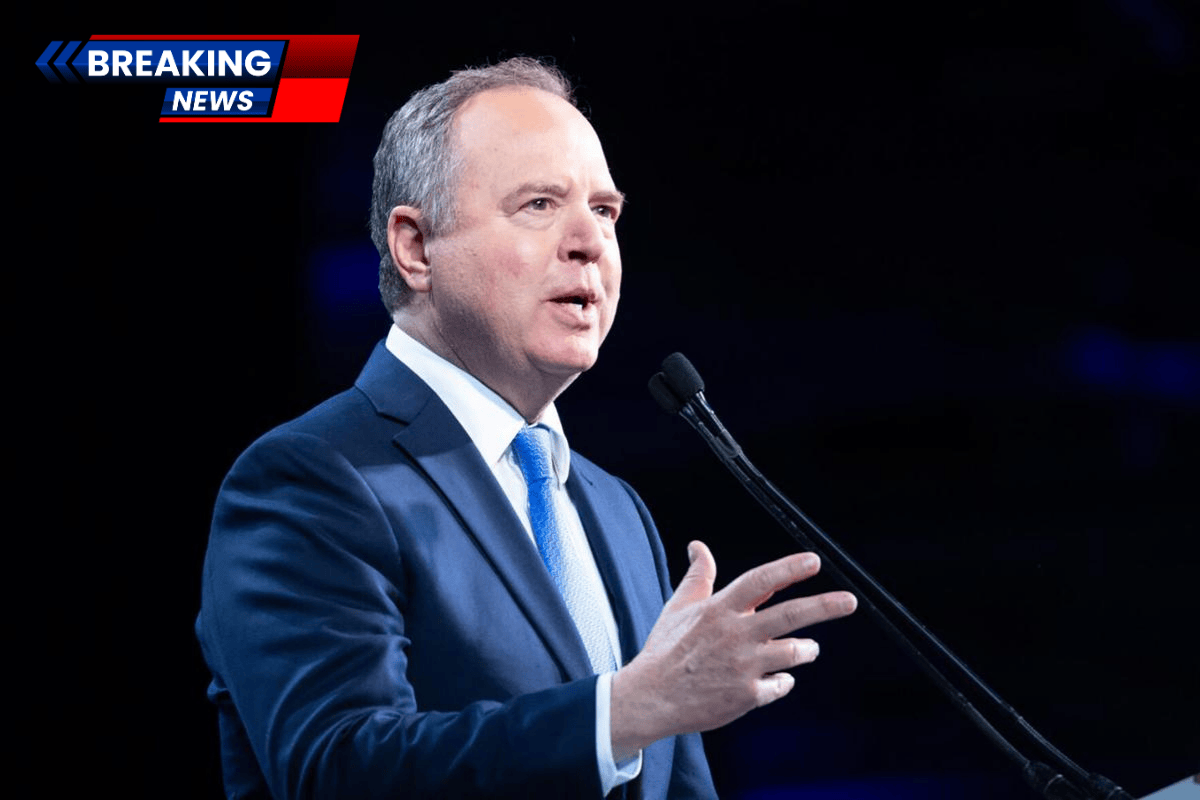
U.S. Senator Adam Schiff (D-Calif.) voiced strong concerns during a press conference in Burbank, emphasizing that state programs like California’s tax credits cannot replace the need for more competitive, global federal incentives to bring production back to the U.S.
He stressed that such efforts are crucial not just for Hollywood’s stars but for the many workers behind the scenes, such as set designers, carpenters, and lighting crews.
“We must act, and the urgency could not be greater,” Schiff said, adding that he is working on a bipartisan federal film incentive proposal designed to make U.S. productions globally competitive.
Local Impact of the Tax Credit

California’s film tax credits have proven effective in boosting the state’s economy. According to the California Film Commission, 16 shows recently received tax credits for filming in the state, leading to $871 million in qualified in-state spending and generating an estimated $1.3 billion in economic activity.
Since the program’s inception, it has helped create more than 220,000 jobs and has supported over $29.1 billion in motion picture production wages.
However, despite these gains, Los Angeles has seen a downturn in film activity. FilmL.A. Inc. reported that from July to September 2025, film activity in the region was down 13.2% compared to the same period in 2024.

Additionally, between 2022 and 2024, Los Angeles lost 42,000 jobs in the motion picture sector, partly due to the migration of production work overseas.
Challenges for Independent Studios
The shift of film and TV production abroad has placed increasing financial strain on independent studios that struggle to fill their sound stages.
Matthew Loeb, president of the International Alliance of Theatrical Stage Employees, stressed the importance of federal support in leveling the playing field and ensuring that U.S. productions remain competitive on the global stage.
“Production that supplements state incentives is essential to return and maintain film and television jobs in America,” Loeb said.
The Role of Tax Incentives in Hollywood
One example of the tax credit’s success is HBO Max’s medical drama The Pitt, which is filmed on the Warner Bros. lot in Burbank. Noah Wyle, the star and executive producer of the show, highlighted how the tax incentive made it financially viable to film in Los Angeles, which he described as “prohibitively expensive.”
The show saved over $11 million in production costs by the end of its first season, thanks to the state’s tax rebate program.
Wyle expressed his commitment to supporting Los Angeles-based productions, stating, “As an Angeleno with generational roots to this city, advocacy for Los Angeles-based production is something that is very close to my heart.”
Calls for National Tax Incentives
Rep. Laura Friedman (D-Glendale), who is collaborating with Senator Schiff on production tax incentives, emphasized that the current success of California’s tax credit program shows that such incentives can work on a national level.
Friedman pointed out that tax incentives are common in many industries, not just entertainment, and should be extended to Hollywood.
“Hollywood is not asking for special treatment,” Friedman said. “Whether it is computer chips, the energy sector, or pharmaceuticals, this is something that is standard in the United States. Hollywood and its ability to tell the story of America is something worth saving.”