A significant geographical divide in global energy markets has emerged, with West Texas experiencing negative natural gas prices, while Europe and Asia face shortages due to the U.S. conflict with Iran.
This creates a stark contrast between the surplus in the U.S. and the scarcity in other parts of the world.
Why Are Gas Prices Negative in West Texas?

In West Texas, the Waha gas trading hub in the Permian Basin has seen spot prices as low as -9.75 USD per million BTUs. Traders predict prices could drop to -10 USD due to pipeline capacity issues and seasonal maintenance later this year.
This is because drilling in the Permian Basin produces both oil and natural gas, but there is limited infrastructure to transport the excess natural gas. As a result, the gas cannot be shipped efficiently, creating a bottleneck.
Negative gas prices are not uncommon in West Texas, and such prices have been more frequent this year. But last week saw the lowest weekly average for Waha spot prices on record.
Impact of Negative Gas Prices

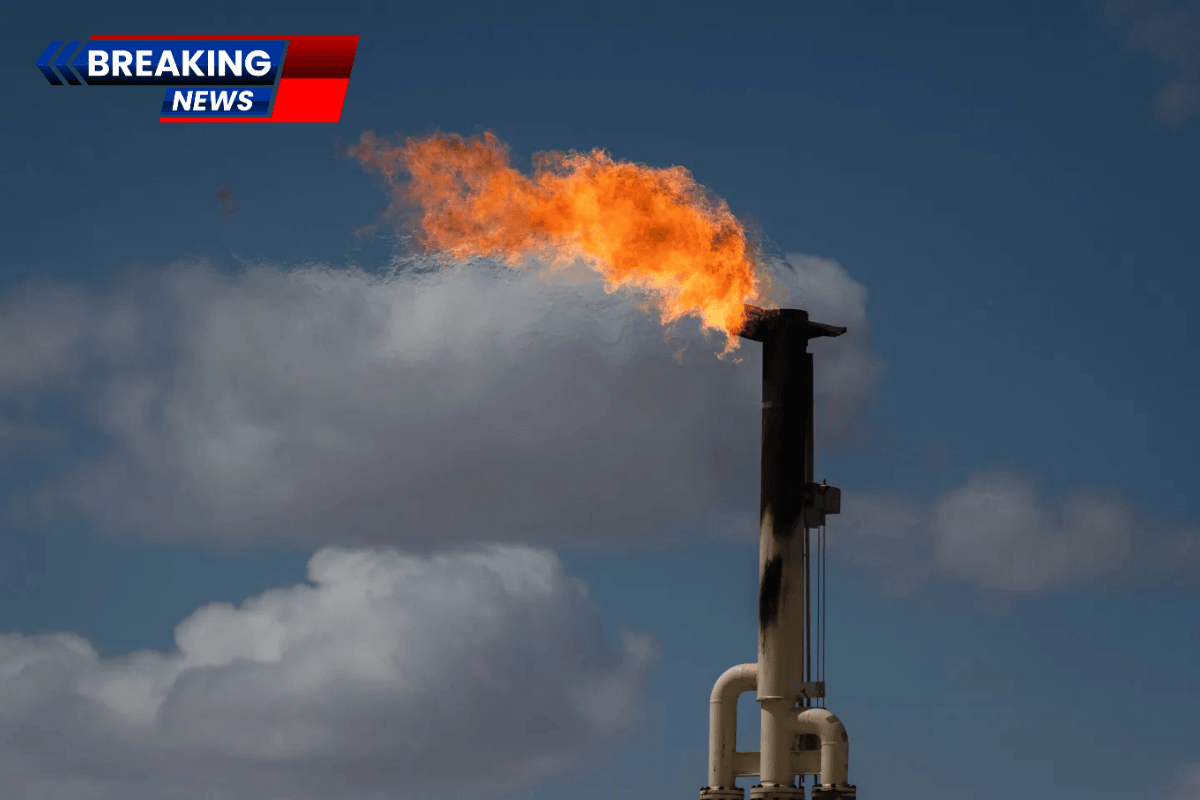
When gas prices are negative, producers have to pay to get rid of their excess gas. As a result, much of the surplus is simply burned off in the form of flaring. This season, flaring events in the region have reached five-year highs.
Despite the low prices for natural gas, West Texas oil drillers aren’t expected to cut back production because oil remains profitable enough to offset the gas losses.
The recent spike in crude oil prices, driven by the U.S.-Iran conflict, has made oil even more lucrative. West Texas Intermediate crude has surged by 47%, reaching nearly 100 USD per barrel in the last three weeks.
Global Gas Shortages: Europe and Asia in Crisis
On the other side of the world, natural gas prices in Europe and Asia have soared due to disruptions caused by the U.S.-Iran war. Iran’s retaliatory actions, such as blocking the Strait of Hormuz (a critical passage for oil and LNG shipments), and attacks on Qatar’s Ras Laffan Industrial City, have worsened the situation.
Qatar’s LNG production has been significantly impacted by these attacks, affecting 17% of the country’s LNG exports, with repairs expected to take up to five years.
Price Surge in Europe and Asia
- European Gas Prices: The European benchmark gas futures jumped by as much as 35%, reaching 70 euros per megawatt-hour, or over 20 USD per million BTUs. While this is not as high as the 2022 spike during the Russia-Ukraine war, it still places pressure on European countries to restock their gas supplies after a harsh winter.
- Asian Gas Prices: In Asia, LNG spot prices could exceed 30 USD per million BTUs this summer, compared to 26 USD this spring. If the Strait of Hormuz remains closed for six months, prices could top 40 USD.
In response to rising energy prices, some Asian countries are turning back to coal for electricity generation, just as they did in 2022. Countries like Thailand, Bangladesh, South Korea, and Taiwan are increasing their coal consumption to meet energy demands.
Asia Faces Energy Crisis
Countries in Asia are in intense competition for available natural gas, and those that can shift from gas to coal are doing so. As Henning Gloystein, a managing director for energy at Eurasia Group, pointed out, Asia is competing for gas while relying more on coal for energy.