HAVANA, Cuba — Protests in Cuba entered their 10th consecutive day on Monday, as demonstrations against widespread power outages, water shortages, and deteriorating living conditions intensified.
The unrest grew after the Cuban government confirmed ongoing talks with the United States in an effort to address the country’s severe economic and energy crises.
Protesters, primarily in Havana but spreading across other regions of the island, took to the streets with increasingly aggressive demonstrations. Throughout the night, residents banged pots and pans, built makeshift barricades, and set fire to trash.
Activists and social media influencers reported a significant security presence, including arrests, particularly around government buildings.
Escalating Energy Crisis and Frustration with the Government
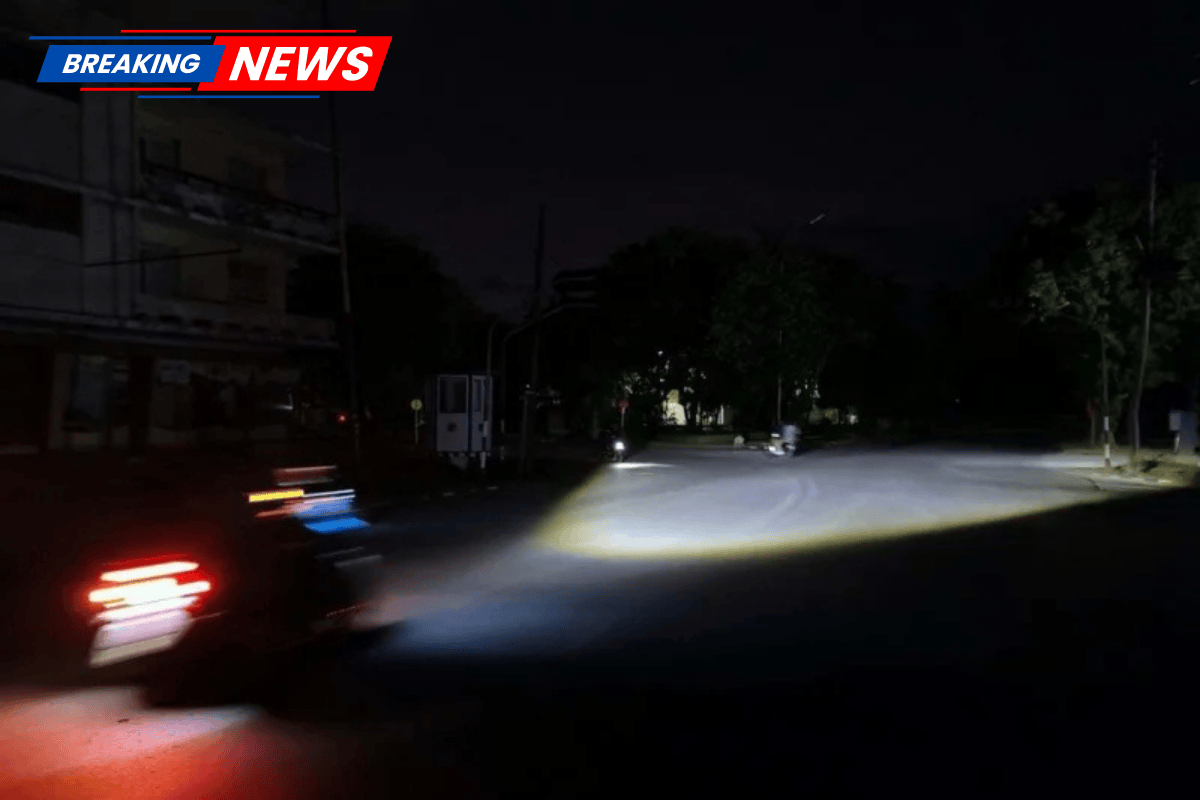
The protests were initially sparked by rolling blackouts that have plagued Cuba for over two weeks, with some neighborhoods enduring several days without power.

In addition to the power outages, many residents have faced days without running water, exacerbating public dissatisfaction. Independent news outlet Diario de Cuba reported that these ongoing issues have pushed many to their breaking point.
The unrest grew following President Miguel Díaz-Canel’s confirmation last week that his government is holding talks with the United States to address the longstanding political and economic rift between the two countries.
This revelation, combined with the worsening energy crisis, led to heightened frustrations, particularly as the Cuban government continues to blame the situation on a U.S.-imposed energy embargo.
Protest Actions and Government Response
In the central city of Morón, demonstrators took drastic action, storming and setting fire to the local headquarters of the Communist Party of Cuba. Hundreds of protesters, mostly young people, removed and burned files, computers, and other items from the building.
France24 reported that five protesters were detained during this event, with many voicing grievances over the blackouts and difficulty accessing basic necessities like food and clean water.
On social media, Díaz-Canel acknowledged that the public’s frustration with the prolonged outages was “understandable.” However, he emphasized that such frustration should be expressed “with civility and respect for public order,” warning against violence and vandalism.
He declared that the government would not tolerate such actions, vowing that “there will be no impunity for vandalism and violence.”
Increased Security Presence and Heavy-handed Policing
Cuban journalist José Raúl Gallego shared reports from activists who said that overnight, security forces were deployed heavily across several cities, particularly in Havana.
Video footage posted on social media showed police patrols and special forces vehicles patrolling darkened streets, particularly during the blackouts. This presence of military and police forces across the country has been described as an attempt to intimidate the population and prevent further unrest.
Analysts have noted that the ongoing protests in Cuba are the most significant since the July 11, 2021, protests, which were the largest anti-government demonstrations in decades.
Those protests, fueled by anger over economic hardships, food shortages, and the government’s handling of the COVID-19 pandemic, were met with swift and forceful responses from security forces.
Authorities carried out mass arrests, and between 1,000 and 1,500 people were imprisoned. These individuals were convicted of various charges, including public disorder and vandalism.
Energy Deficits and the Strain on the Population
As the protests continue, Cuba’s ongoing energy crisis shows no sign of abating. According to the Cuban Electric Union, the national power grid is facing a 1,930-megawatt deficit on Monday. This means that nearly 61% of the island could be without electricity during the night, further adding to the discontent.
The strained energy infrastructure is compounded by a shortage of supplies and materials to repair the grid. These issues, combined with economic hardship and frustration with the government’s inability to meet the basic needs of its citizens, have resulted in the current wave of protests.
While Cuba’s government has expressed willingness to engage in discussions with the U.S. to resolve the ongoing issues, it remains unclear how much progress can be made in addressing the country’s energy deficit and overall economic problems.
The future of these protests will likely depend on the government’s ability to balance its security response with meeting the growing demands of its citizens for basic services and better living conditions.