As the crisis in Iran deepens, concerns over China’s indirect role are escalating, with new worries emerging over weapons used against U.S. forces in the region.
According to Gordon Chang, a senior fellow at the Gatestone Institute, China’s growing support for Iran could significantly alter the geopolitical landscape and raise the risk of a broader global conflict.
China’s Growing Support for Iran
Gordon Chang discussed China’s increasing involvement in the ongoing crisis with Iran, particularly in the context of weapons supplied to Tehran. Chang highlighted reports suggesting that advanced weapons used by Iran, including supersonic missiles, may be directly tied to Chinese technology and support.
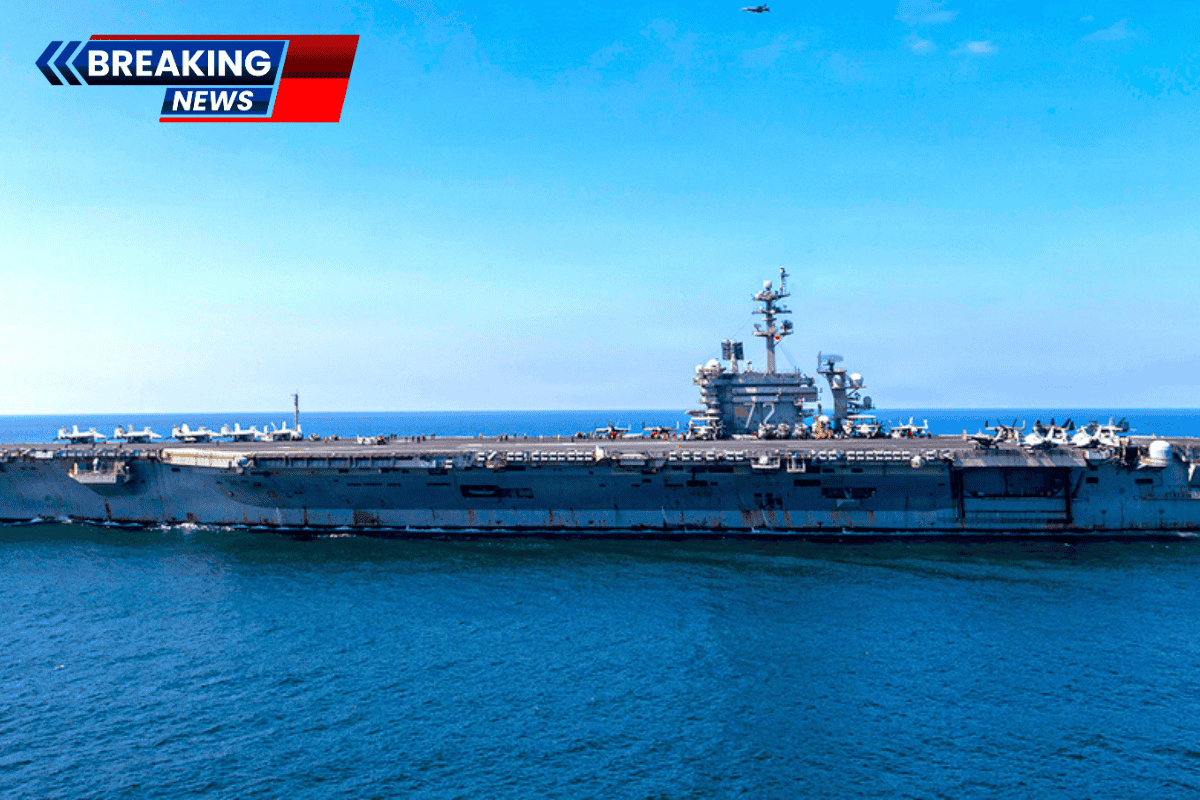
“Those supersonic missiles that Iran fired at the Abraham Lincoln, our aircraft carrier, those were Chinese… It’s clear that the Iranians have more of those Chinese missiles,” Chang stated during an appearance on FOX Business’ Mornings with Maria.
The involvement of China in supplying such sophisticated weapons marks a dangerous shift in the region, potentially complicating U.S. military operations and increasing the likelihood of escalation.
The Risk of Direct Conflict Between the U.S. and China

Chang warned that the use of Chinese-supplied missiles against U.S. assets could dramatically alter the relationship between Washington and Beijing. He stressed that if a Chinese missile were to hit an American ship, it could change the dynamic between the two nations overnight.
“God forbid, if one of those missiles hit an American ship… our relationship with China changes overnight,” Chang remarked. Such an event would not only affect the U.S.-China relationship but also spark a broader geopolitical crisis with far-reaching implications for global security.
China’s Role: Indirect Support with Potential Consequences
Chang emphasized that China’s support for Iran is multifaceted and extends beyond weapons supply, encompassing a range of assistance that stops just short of direct military involvement.

He argued that China’s actions in the Iran crisis should be considered an act of indirect aggression against the U.S., stating, “China’s support for Iran is across the board… It’s everything except for combat troops… We should consider China an enemy combatant.”
This strategic support benefits Iran without China having to directly engage in combat, allowing Beijing to avoid accountability while still exacerbating tensions in the Middle East.
Chang’s comments underscore the growing challenge for the U.S., which is facing a rival power gaining influence in the region while avoiding the consequences of direct confrontation.
The Broader Implications for U.S. Foreign Policy
As the U.S. continues to grapple with the tensions in the Strait of Hormuz and the larger Iran crisis, China’s role as a key enabler of Iran’s military capabilities presents a growing challenge.
Chang’s warning about the potential for direct conflict highlights the need for a reassessment of U.S. strategy in the region, particularly as China’s influence continues to expand without facing immediate repercussions.
With the situation in the Middle East remaining volatile, and China’s indirect involvement becoming more apparent, the U.S. may be forced to address this complex dynamic in its foreign policy moving forward.