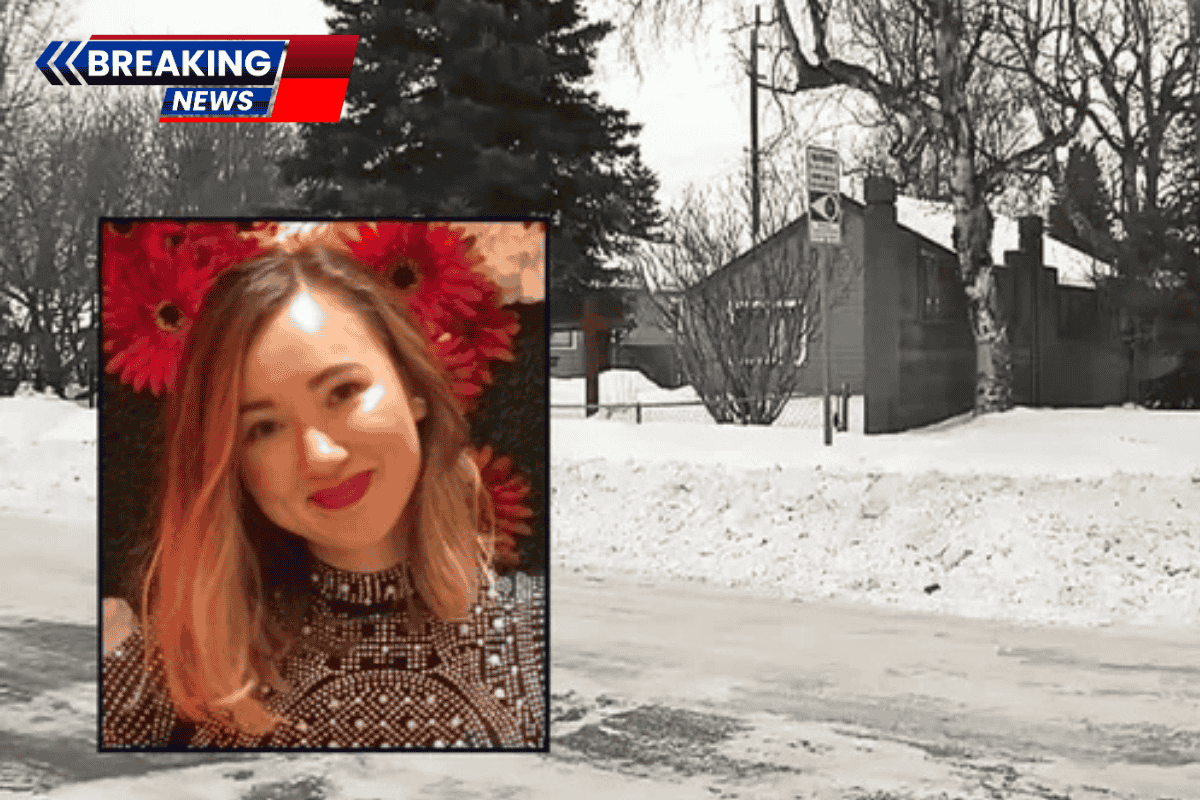
An Alaska woman tragically froze to death after being stranded outside in temperatures between 17 and 28 degrees Fahrenheit while snow covered the ground, all because a 911 dispatcher failed to send help for over an hour.
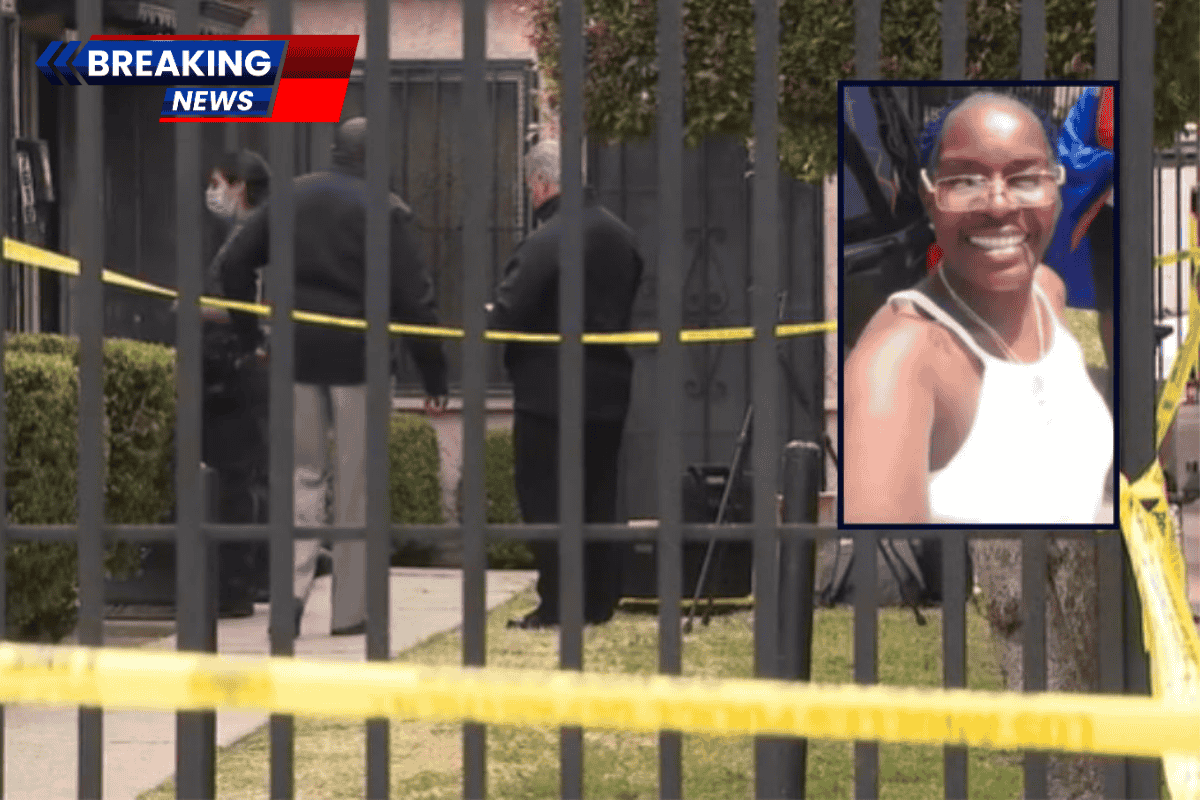
Alecia Lindsay, 31, was found crawling outside in Anchorage on February 8, 2024, after she knocked on a resident’s door. The resident then called 911 for help.
Lindsay’s family has filed a lawsuit against the Municipality of Anchorage, accusing the city, its Emergency Communications Center, emergency dispatchers, and the Anchorage Police Department of negligence and negligent infliction of emotional distress.
What Happened During the 911 Call?
The lawsuit claims that the dispatcher wrongly classified Lindsay’s case as a Priority 3 disturbance rather than a medical emergency, despite clear signs that she was suffering from hypothermia.
The resident who called 911 told the dispatcher that Lindsay was “shaking extremely because it was cold” and appeared to be “feeling overwhelmed” by the frigid temperatures, but the dispatcher failed to recognize the urgency of the situation.

After assuring the caller that help was on the way, it was reported that no help arrived. It wasn’t until an Anchorage police officer arrived on the scene about 80 minutes after the initial call that it was recognized that Lindsay needed medical assistance, at which point EMS was requested.
A Timeline of Missed Opportunities
Lindsay was found around 6:34 a.m., and despite multiple calls, no further action was taken by the dispatcher until 7:36 a.m., when the officer was dispatched to the scene. The officer arrived at 7:46 a.m. and requested EMS, but it wasn’t until 8:05 a.m. that paramedics arrived.
Lindsay, who was found without a coat, hat, or gloves, stopped breathing at 8:12 a.m. and was later pronounced dead at 9:38 a.m. Her cause of death was hypothermia due to prolonged exposure to the cold.
Victims’ Family Reaction and Legal Proceedings
Lindsay’s family has argued that the 911 dispatcher failed to recognize the signs of hypothermia, which a trained dispatcher should have identified. They are suing the city for negligence and the pain they endured while waiting for help that never came.
The Municipality of Anchorage has denied the allegations, claiming that the dispatcher had no legal duty to Lindsay. They also argue that the police department and Emergency Communications Center are not independent legal entities that can be sued separately.
Background on Lindsay’s Situation
The lawsuit reveals that Lindsay had been in contact with police the day before the tragic incident. On February 7, 2024, Lindsay was seen acting erratically at the Ted Stevens Anchorage International Airport, and officers were concerned she might be experiencing a mental health crisis.
Despite the police efforts to help her, she ended up wandering around Anchorage without proper clothing before arriving at the home where the resident called 911.