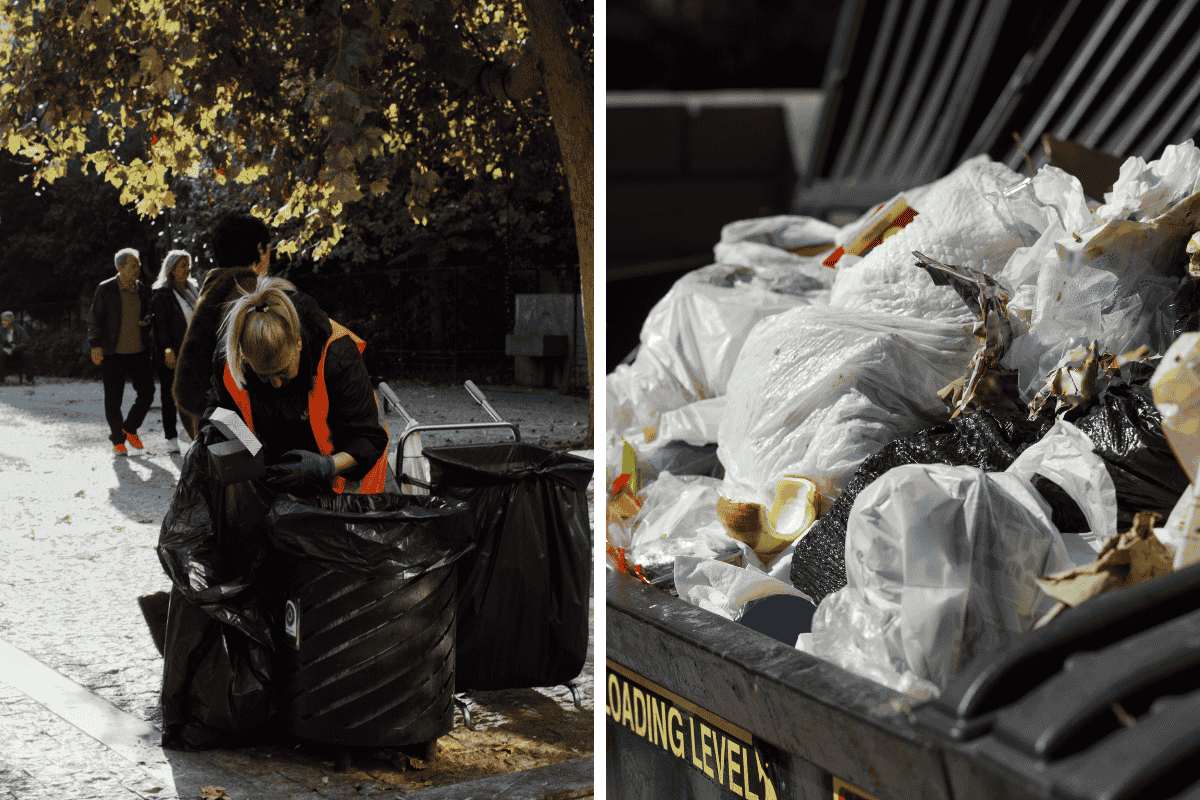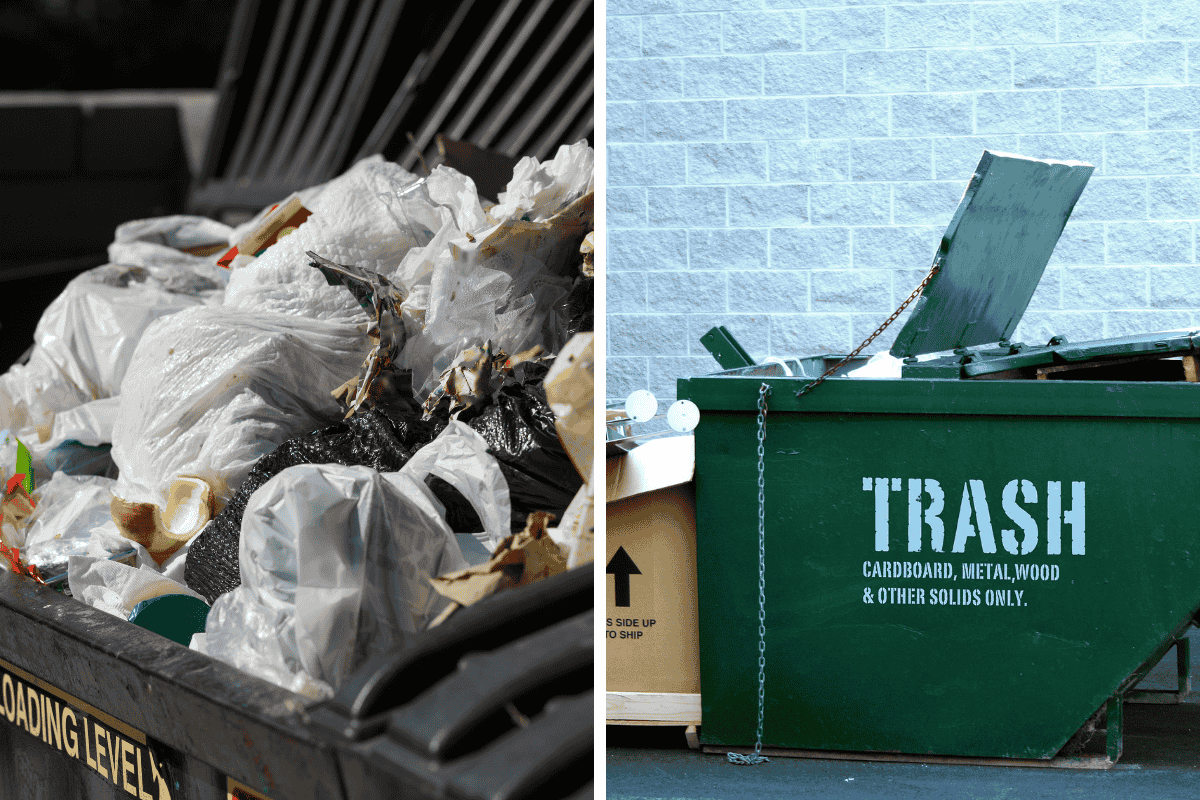
Dumpster diving is not automatically illegal in Florida, but it can quickly become illegal depending on where you do it, how you behave, and local city rules.
The key is that accessing dumpsters on private property without permission or ignoring “no trespassing” signs is what gets people in trouble, not the act of looking through discarded trash itself.
When dumpster diving is generally legal
- On public property: If a dumpster is on a public sidewalk, in a public park, or in an open public trash area, and it is unlocked and not fenced or posted, you are usually allowed to retrieve discarded items.
- Items truly discarded: Once an item is thrown away, the owner generally gives up ownership, so you are not committing theft just by taking it—provided you did not trespass or cause damage.
When it becomes illegal
- On private property: Dumpsters at stores, restaurants, apartment complexes, shopping centers, schools, or gated communities are on private land; entering without permission to dive can be criminal trespass under Florida law.
- Locked or posted dumpsters: If a dumpster has a lock, chain, or sign (e.g., “No Dumpster Diving,” “Private Property,” “Do Not Scout”), you commit a trespass‑like or vandalism‑like offense by tampering with it.
- Damaging property or making a mess: Breaking locks, bending fences, or leaving trash strewn around can lead to charges for vandalism, criminal mischief, littering, or disorderly conduct.
- Local city ordinances: Some Florida cities (especially larger ones) have specific rules limiting or prohibiting scavenging or dumpster diving in certain areas, so local fines can apply even if state law is neutral.
Practical tips if you dive in Florida
- Ask for permission: If the dumpster is on private property, seek consent from the business or landlord before going near it.
- Avoid locked or fenced enclosures: If you need to climb a fence, ignore a sign, or break a lock, treat it as illegal.
- Leave it clean: Do not spill trash, leave packaging, or block walkways; tidy up to avoid littering or nuisance citations.
- Check local rules: Before diving in a city like Orlando, Miami, Tampa, or Jacksonville, look up that city’s solid‑waste or scavenging ordinances to see if they ban or restrict dumpster diving.

If you tell me which Florida city you have in mind (e.g., Orlando, Miami‑Dade, Jacksonville), I can spell out the specific local rules that apply there.
SOURCES:
- https://tmillerlaw.com/dumpster-dive-legal-in-florida/
- https://www.worldlawdigest.com/usa/is-dumpster-diving-legal-in-fl