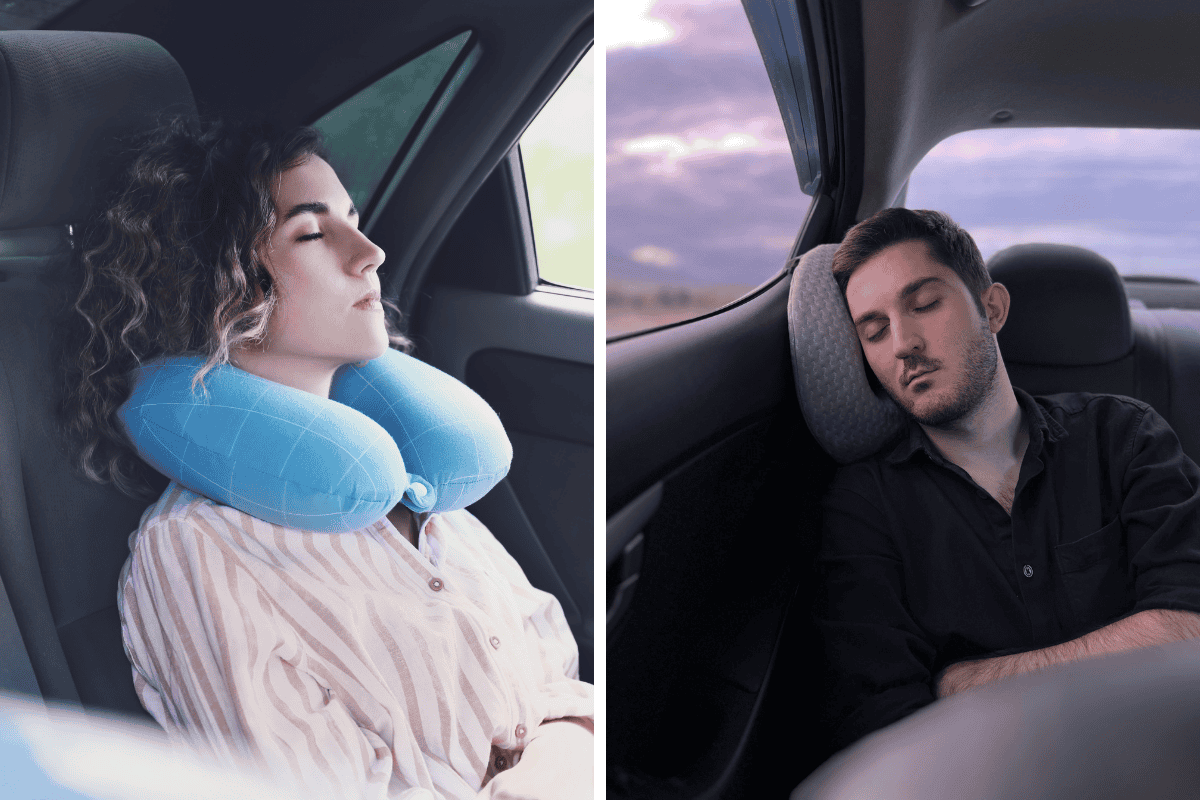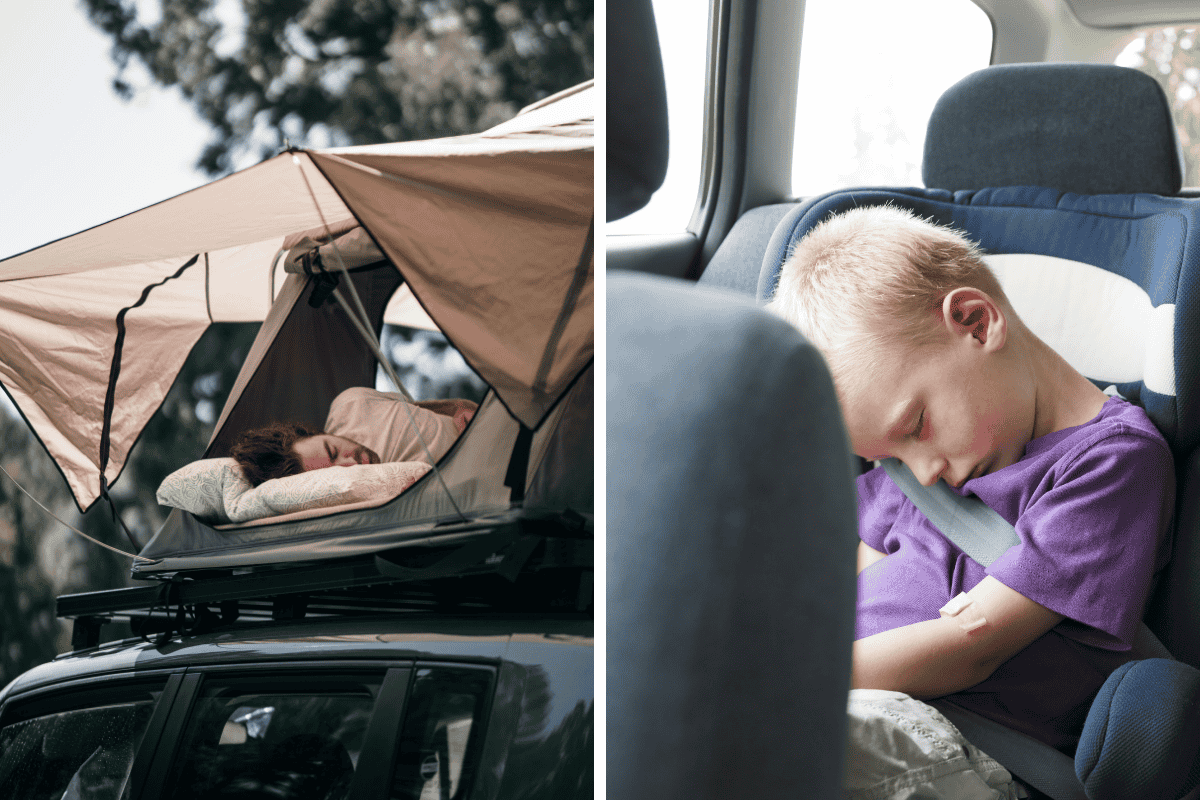
Sleeping in your car is not outright illegal under Florida state law, but its legality hinges on location, duration, and circumstances like impairment. Local ordinances in many cities explicitly prohibit it on public streets, rights-of-way, or parking lots to curb homelessness and safety issues.
Travelers and those in emergencies should prioritize private property with permission or designated rest areas limited to three hours.
Statewide Rules

Florida lacks a blanket ban, relying instead on traffic codes, trespass laws, and “actual physical control” statutes for impaired drivers. Officers can cite for loitering, public camping, or blocking traffic if the vehicle impedes flow.
Intoxicated sleeping risks DUI charges even if the engine is off, with penalties including fines up to $1,000, jail time, and license suspension.
City-Specific Bans
Major cities like Miami, Pompano Beach, and Key West ban sleeping or living in vehicles on public property, with fines or towing as consequences. Check Municode for your area by searching terms like “sleep,” “camp,” or “overnight.” Enforcement varies; rural spots may tolerate short rests, but urban zones patrol strictly.
Safe Alternatives
Rest areas allow up to three hours for napping, open 24/7 but not for overnight stays. Seek truck stops, Walmart lots (with manager OK), or campgrounds that permit it. Private land with owner consent avoids issues entirely. Apps like iOverlander help locate tolerant spots.
Practical Tips
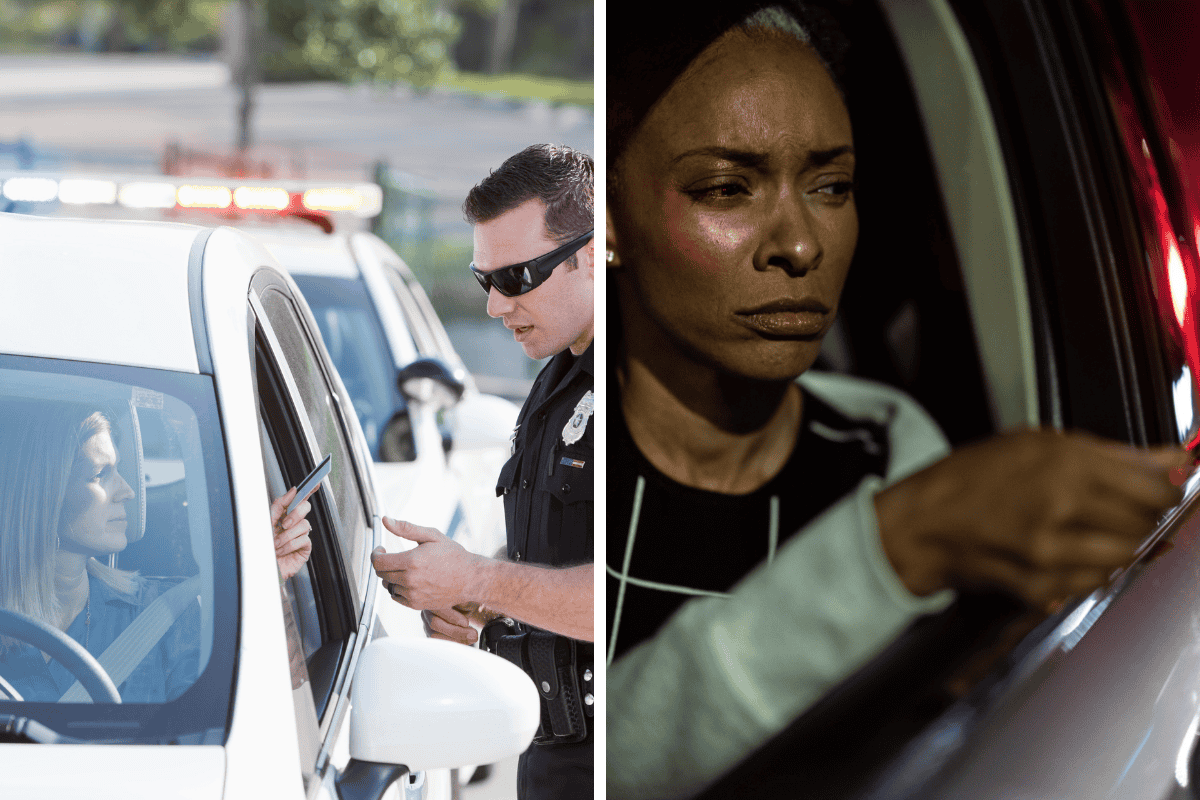
Park legally, avoid idling the engine, and keep windows cracked for air. Have ID ready and explain your situation politely if approached. For long-term needs, connect with local shelters or van life communities.
SOURCES:
- https://www.muscalaw.com/blog/can-you-get-dui-florida-sleeping-your-car
- https://jerry.ai/state-laws/is-it-illegal-to-sleep-in-your-car-in-florida/